About the EAS
European Academy of Science Vienna - Baden
An independent international institution dedicated to the advancement of science, scholarship, and the free exchange of knowledge across Europe and beyond.
History & Foundation
A Legacy of Scientific Excellence
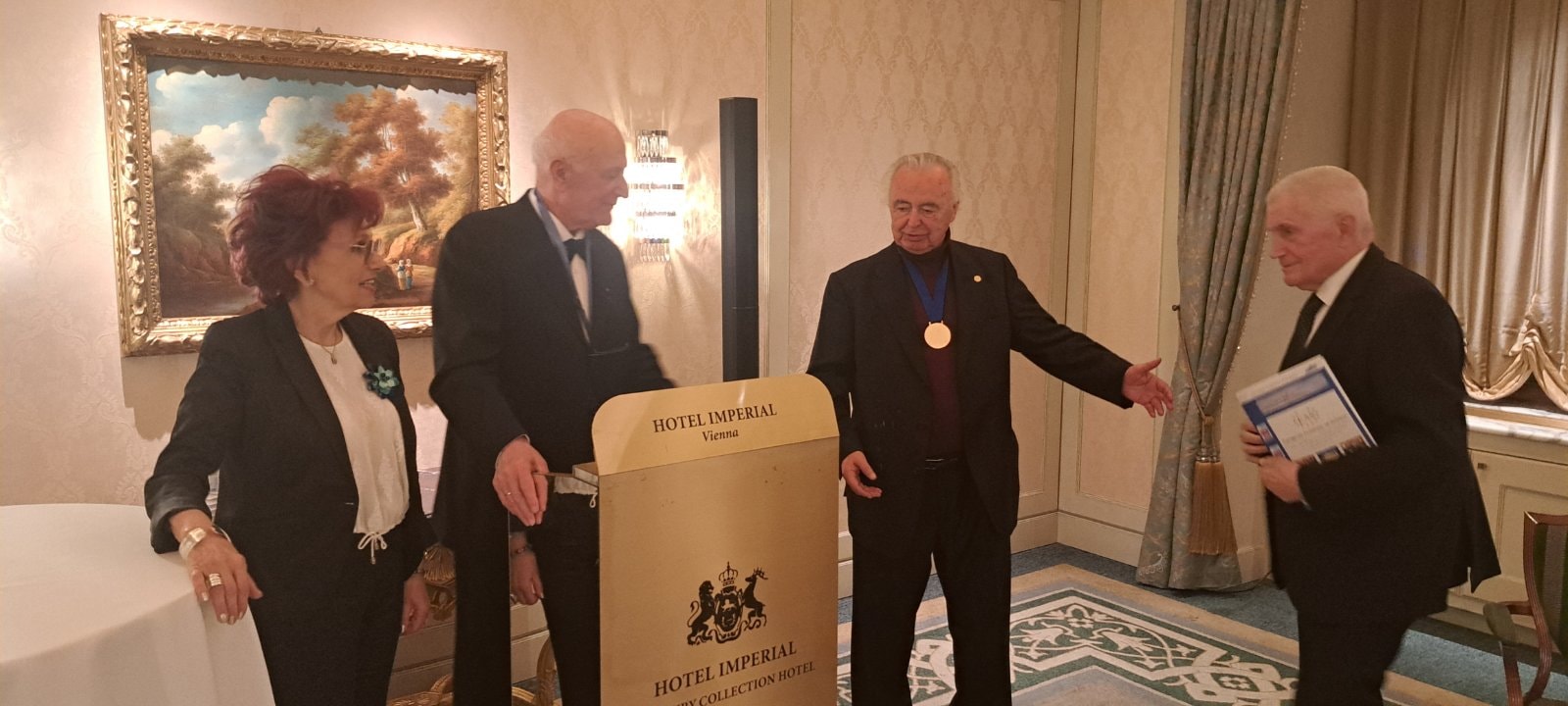
The European Academy of Science (EAS) was founded with the conviction that science transcends national borders and that the free exchange of ideas is the foundation of human progress. Established in Vienna — a city with a centuries-long tradition as a centre of European intellectual life — the Academy has grown into a distinguished international institution.
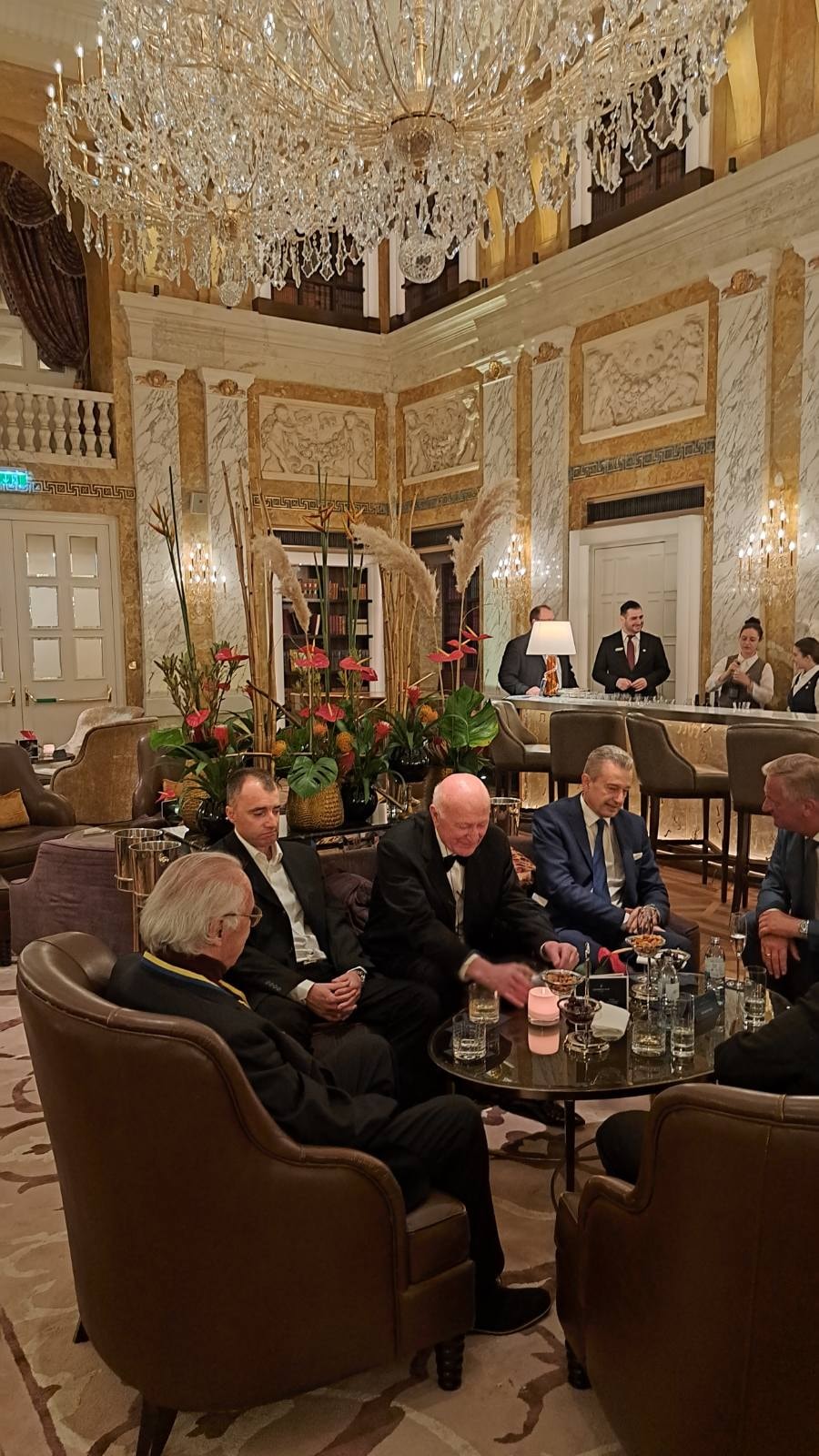
Over more than two decades, the EAS has brought together leading scholars, researchers, and practitioners from across Europe and the wider world, fostering interdisciplinary dialogue and recognising outstanding contributions to science, technology, and the humanities.
Headquartered between Vienna and Baden, Austria, the Academy operates as an independent body, free from political affiliation, committed solely to the pursuit and dissemination of knowledge.
500+ Members
Active Members
40+ Countries
Countries Represented
25+ Years of Activity
Years of Scientific Activity
Founded in Vienna, Austria
Mission & Values
Advancing Knowledge, Connecting Scholars
Scientific Excellence
We uphold the highest standards of scholarly rigour, recognising and supporting research that advances human understanding.
International Collaboration
We believe that the most significant scientific challenges require cooperation across disciplines, institutions, and national boundaries.
Independence
The EAS operates free from political or commercial influence, ensuring that scientific judgement remains impartial and credible.
Openness
We are committed to the open exchange of ideas, welcoming scholars from all traditions, cultures, and fields of inquiry.
Governance
Leadership & Structure
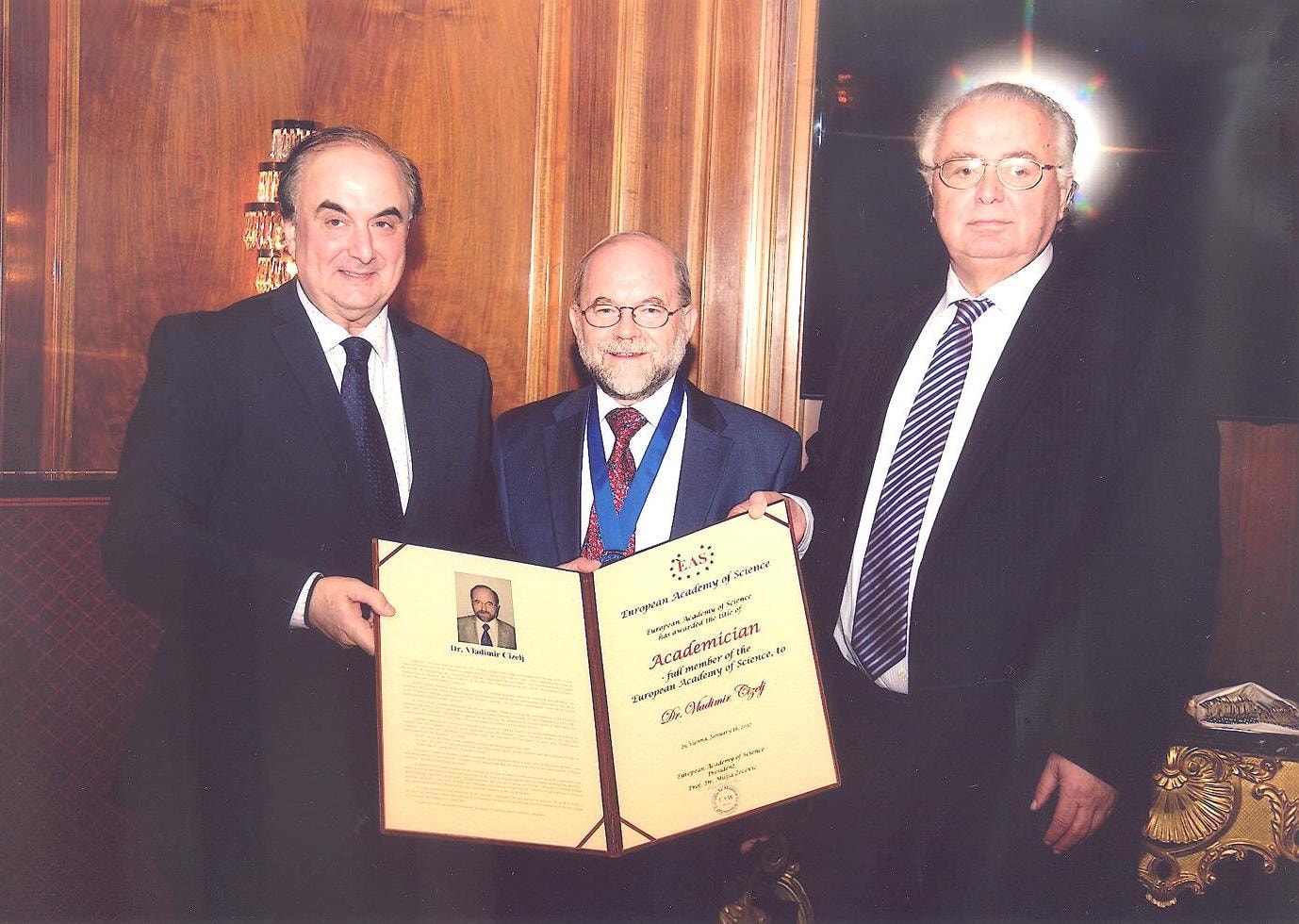
The European Academy of Science is governed by an elected leadership body that ensures the Academy's mission is upheld with integrity and scholarly distinction.
rector President of the EAS
Academician, Prof. Dr. Milija Zečević
Prof. Emeritus
View profile →

General Secretary of the EAS
Academician, Prof. Dr. Bojana Rilke
View profile →
Presidency
The President leads the Academy, represents it in international forums, and chairs the governing council. The Presidency is responsible for the strategic direction and institutional integrity of the EAS.
General Secretariat
The General Secretary oversees the day-to-day administration of the Academy, coordinates scientific activities, manages membership affairs, and ensures continuity of institutional operations.
Scientific Council
The Scientific Council is composed of elected Fellows and Associate Members who advise on scientific priorities, evaluate nominations for membership and awards, and guide the Academy's research agenda.
Committees
Specialised committees — including those for Awards, Conferences, and Membership — carry out the operational work of the Academy under the authority of the Scientific Council.
Institutional Relations
Partnerships & Collaborations
The EAS maintains active relationships with leading universities, research institutions, and international scientific organisations across Europe and beyond.
European Universities
The Academy collaborates with universities across Europe to support joint research initiatives, academic exchanges, and the recognition of scholarly achievement.
International Scientific Organisations
The EAS maintains formal and informal ties with international bodies dedicated to the advancement of science, contributing to global scientific governance and policy.
National Academies
Through bilateral agreements and joint programmes, the EAS works alongside national academies of science to promote cross-border research and the mobility of scholars.
Research Institutes
Partnerships with independent research institutes enable the Academy to support cutting-edge work across disciplines, from the natural sciences to the humanities.